
about Biolitec
Biolitec is an international medical technology company specializing in laser systems and fiber-optic solutions for minimally invasive medical treatments. The company develops and manufactures advanced laser technologies used in various medical fields, including urology, vascular surgery, gynecology, ENT, aesthetic medicine, and pain management.
Biolitec is known for providing innovative laser-based solutions designed to improve treatment precision, reduce recovery times, and support less invasive procedures. One of its well-known technologies is the LEONARDO® laser system, which is used for a wide range of medical applications.
The company operates globally and focuses on developing medical technologies that enhance patient care and treatment outcomes.
Benefits of the technology
Minimally invasive laser procedures are a patient-friendly treatment option in proctology. Fiber optics with a diameter of less than 2 mm mean minimal wounds, which have taken patient comfort to a new level.
- Painless
- Controlled hemorrhoidal shrinkage
- Very good hemostasis
- Low risk
- Maximized preservation of continence
- Quality of life improvement
- Small wound sizes
The therapeutic principle centers on controlled tissue remodelling that harnesses the body’s intrinsic regenerative capacity. This leads to more patient comfort through minimal postoperative pain and a rapid return to normal activities.
For a collection of abstracts by practitioners, including clinical data and many references, see the in-depth summaries of the 2024 and 2025 ProctoCom® conferences, organized by biolitec® and the International Society of Laser Proctology: ProctoCom® 2025 & ProctoCom® 2024.
Applications
Minimally invasive laser procedures are a patient-friendly treatment option in proctology. Fiber optics with a diHemorrhoids (LHP®)
The LaserHemorrhoidoPlasty (LHP®) approach is used for the treatment of advanced hemorrhoids under appropriate anesthesia. The energy of the laser is introduced centrally into the hemorrhoidal cushion. Using this technique, the hemorrhoid can be treated according to its size without causing any damage to the anoderm or mucosa.
Sinus pilonidalis (SiLaC®)
Sinus laser ablation of the cyst (SiLaC®) is the ideal treatment to heal the sinus tract, preserve the overlying skin and prevent recurrence. This simple, minimally invasive procedure – performed under local anesthesia on an outpatient basis, shortens recovery, reduces postoperative pain and wound care requirements, and provides excellent cosmetic results.
Anal fistulas (FiLaC®)
Fistula-tract laser closure treatment (FiLaC®) aims at gently removing the fistula tract without damaging the sphincter. That way, any parts of the muscle are maximally preserved while incontinence is avoided. Furthermore, the FiLaC® procedure offers a minimally invasive approach which can be performed in just a few minutes as the laser action replaces the excision.
Anal fissures
Gentle irradiation of the fissure ulcer combined with targeted heat application to the upper sphincter muscle fibers (without electrical stimulation via electrosurgery) enables a fissurectomy without tissue excision.
The technique avoids bleeding and the need for hemostasis while protecting the sphincter.
AIN/Condylomata
HPV-associated lesions of the anus, vagina or scrotum can be precisely ablated with controllable spot size and geometry using a bare fiber or the LOMA handpiece. This technique keeps tissue defects to a minimum and reduces the need for repeated procedures.
Hidradenitis Suppurativa
Fistulous tracts, particularly in the axilla or other affected areas, traditionally require wide excisions that result in large wounds. Laser ablation selectively destroys the primary fistula tracts while sparing healthy tissue, thereby avoiding extensive surgical excision. Optimal outcomes are obtained using biologics therapy to suppress the inflammatory stages.
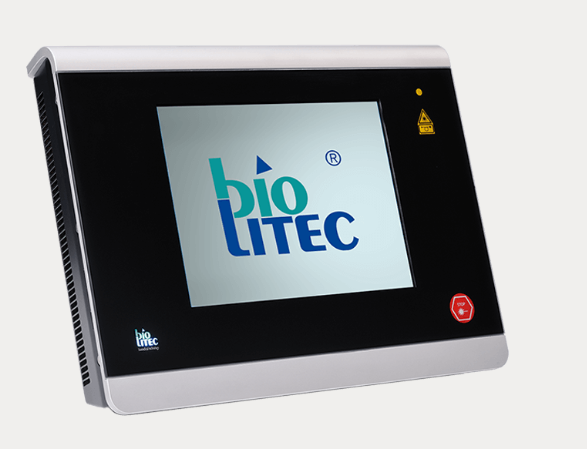
Leonardo Dual
LEONARDO® DUAL is a high-performance medical laser platform developed by Biolitec, designed for minimally invasive surgical procedures across multiple medical specialties. It is widely used in phlebology, urology, proctology, ENT, and other soft tissue applications.
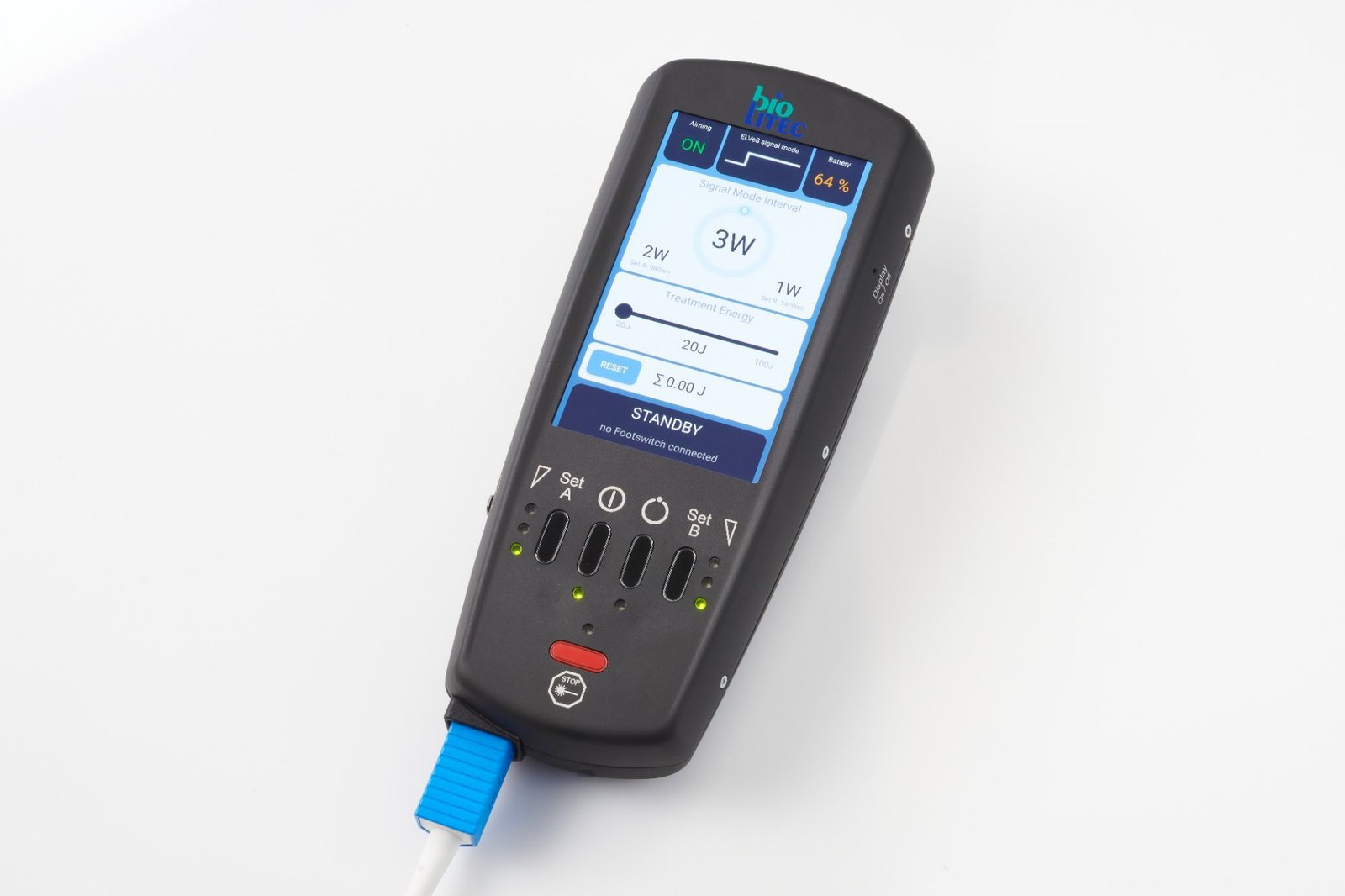
Leonardo MINI
LEONARDO® Mini is a compact, mobile medical laser system developed by Biolitec, designed for minimally invasive surgical procedures in outpatient and clinical settings. It belongs to the LEONARDO laser family and brings high-performance dual-wavelength laser technology into a smaller, portable format.